JingMoss is a bonsai storyteller: tiny landscapes, long stories.
Behind JingMoss is a bonsai artist with ten years of hands-on practice — growing, shaping, repotting, and learning from trees that do not hurry for anyone. The channel exists to share what those ten years taught: that a bonsai is not a decoration that happens to be alive, but a living thing shaped slowly by human hands, weather, and time.
What the channel does
JingMoss makes short vertical videos, 45–60 seconds each, in three series:
- Famous trees: the stories of trees and gardens that survived history — the Yamaki Pine, Omiya Bonsai Village, and others.
- Craft, explained: how bonsai is actually made — wiring, soil, repotting, deadwood carving — shown honestly, including what can go wrong.
- Buyer’s pitfalls: how to look at a bonsai before you buy — age claims, moss, soil, labels, and prices — so you judge the tree, not the story told about it.
Every story is built on sourced facts: the claims come from bonsai references and, where history is involved, from museum and foundation records, and each companion article on this site lists its sources. Where a fact cannot be verified, it is not stated. Prices are never invented, tree ages are never guessed, and carved deadwood is never presented as proof of fraud — it is a legitimate craft.
About the pictures
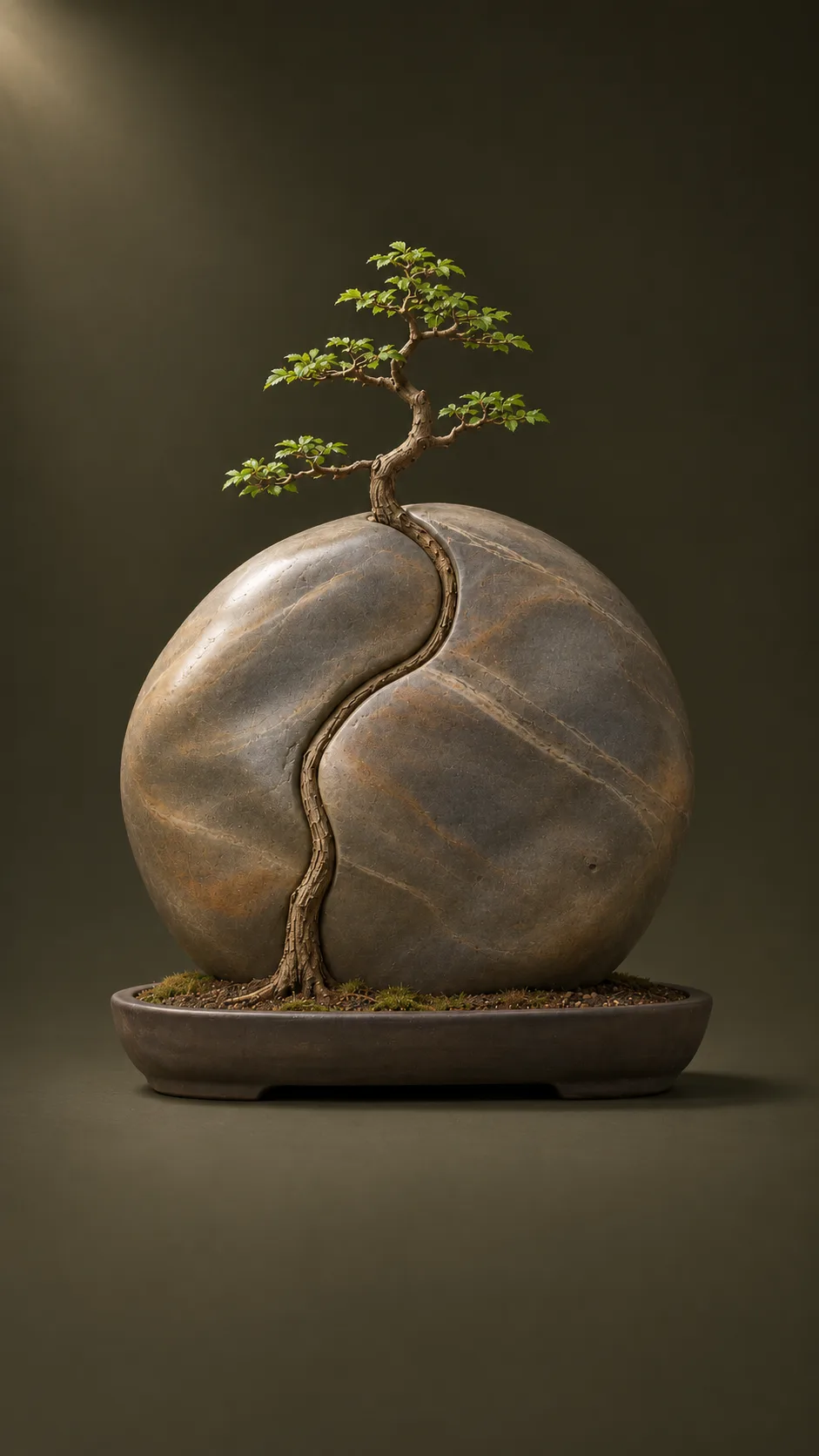
All visuals in JingMoss videos and on this site are AI-generated illustrations, and they are labelled as such. They show what a story looks like; they are not documentary photographs of the real trees, and they are never presented as historical images. When a story involves a real historical tree, the article says so and names its sources.
What JingMoss does not do
JingMoss does not sell trees yet, does not promise investment returns, and does not give advice for a specific tree’s health: a short video cannot diagnose your tree. The guides here teach you what to look for and what to ask — the rest is between you, the tree, and time.
Tiny landscapes, long stories.
Questions? See the Contact page.